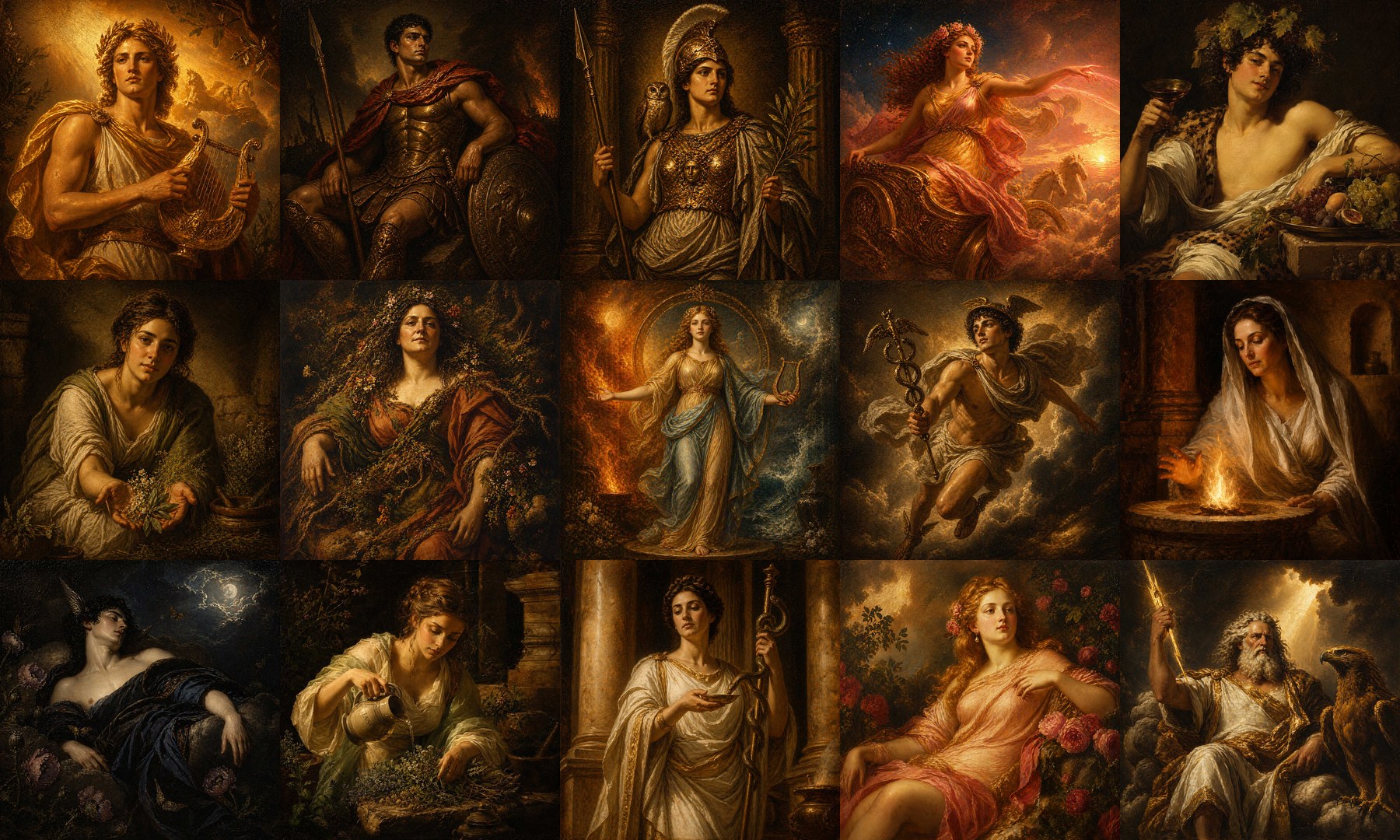
The Wisdom of the Gods Collection brings together 15 Natublend tea blends and infusions, packed in 50 g tins with four ingredients each. The names come from the Greco-Roman pantheon and are the brand’s tributes to figures such as Athena, Gaia and Hermes; what sets one blend apart from another lies in the tin and in the cup.
Like every tea and infusion, each blend is a food, and it is described here by what goes into the tin, what comes through in the cup and the moment the brand’s own curation suggests for it.
Tea, Infusion or Blend: What Goes Into Each Tin
In the trade, true tea is the drink made from the leaves of Camellia sinensis, a plant whose history, from China to the Ribeira Valley, has an article of its own; black, green and white teas all come from this same species and differ in the stage at which the leaf is picked and in how far it is oxidized. Other plants make up herbal infusions, and a blend is a mix of ingredients in a single tin. ANVISA, Brazil’s health regulatory agency, treats tea as a food category, currently governed by RDC No. 716/2022, which covers both drinks. In this collection, that translates into four groups:
- Black tea base: Athena Tea, with caffeine.
- Green tea base: Apollo Tea, Bacchus Tea, Hermes Tea, Hestia Tea, Iaso Tea and Salus Tea, with caffeine.
- White tea base: Ares Tea and Aurora Tea, with caffeine.
- Infusions without Camellia: Epione Tea, Gaia Tea, Harmonia Tea, Hypnos Tea, Venus Tea and Zeus Tea, caffeine-free.
How to Read This Collection: Four Ingredients and One Moment
In each tin, the four ingredients play three roles. The lead ingredient sets the main note, as jasmine does in Zeus Tea; the base gives body, whether it is the Camellia leaf or, in the infusions, chamomile or lemongrass; and the supporting ingredients add a peppery bite (clove, ginger), freshness (peppermint), tartness (hibiscus) or a sweet anise note (erva-doce, mostly anise in Brazil, and fennel).
The moment is the occasion Natublend suggests for almost every tin, from the first cup of the day to the last one at night; only Zeus Tea comes without a suggested time. The sensory notes in this guide are drawn from the known profile of each ingredient.
Comparison Table of the 15 Blends
The deity column sums up the myth, not the cup.
| Blend | Deity | Ingredients | Base | Contains caffeine | Suggested moment | Dominant sensory note |
|---|---|---|---|---|---|---|
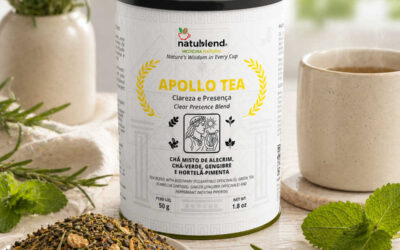
| Apollo Tea | Apollo: music, poetry and prophecy | Ginger, green tea, peppermint, rosemary | Green tea | Yes | Morning | Herbaceous and minty |
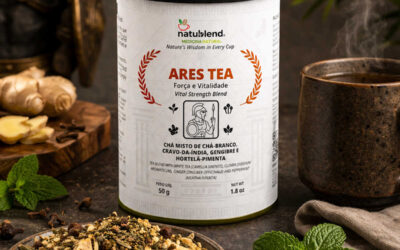
| Ares Tea | Ares: war | Clove, ginger, peppermint, white tea | White tea | Yes | Morning or afternoon | Spiced and peppery |
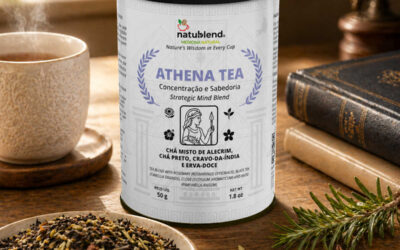
| Athena Tea | Athena: wisdom and crafts | Black tea, clove, erva-doce, rosemary | Black tea | Yes | Breakfast | Spiced and anise-scented |
| Aurora Tea | Aurora (Eos): dawn | Chamomile, hibiscus, jasmine, white tea | White tea | Yes | First cup of the day | Floral and fruity |
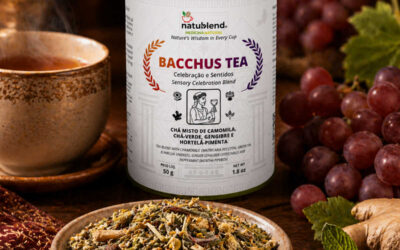
| Bacchus Tea | Bacchus (Dionysus): wine and revelry | Chamomile, ginger, green tea, peppermint | Green tea | Yes | After lunch or dinner | Floral and minty |
| Epione Tea | Epione: wife of Asclepius | Chamomile, fennel, ginger, sage | Chamomile | No | Breaks during the day | Sweet, anise-scented and herbaceous |
| Gaia Tea | Gaia: the primordial Earth | Chamomile, erva-doce, lemon balm, lemongrass | Lemon balm and lemongrass | No | Throughout the day | Citrusy and anise-scented |
| Harmonia Tea | Harmonia: concord | Jasmine, lemon balm, lemongrass, peppermint | Lemon balm and lemongrass | No | Afternoon, between 2 p.m. and 5 p.m. | Citrusy and floral |
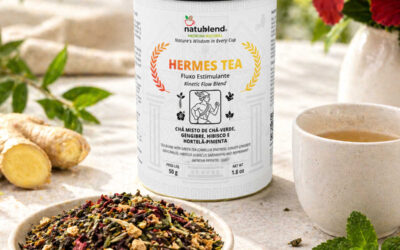
| Hermes Tea | Hermes: travelers and trade | Ginger, green tea, hibiscus, peppermint | Green tea | Yes | Morning and on the go | Tart and fruity |
| Hestia Tea | Hestia: home and hearth fire | Chamomile, fennel, green tea, peppermint | Green tea | Yes | After lunch and dinner | Sweet, anise-scented and minty |
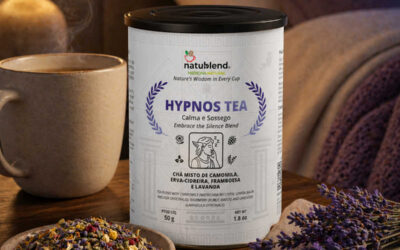
| Hypnos Tea | Hypnos: sleep | Chamomile, freeze-dried raspberry, lavender, lemon balm | Chamomile | No | Last cup of the night | Floral, with lavender |
| Iaso Tea | Iaso: daughter of Asclepius | Chamomile, cinnamon, ginger, green tea | Green tea | Yes | First cup of the morning | Spiced and mildly sweet |
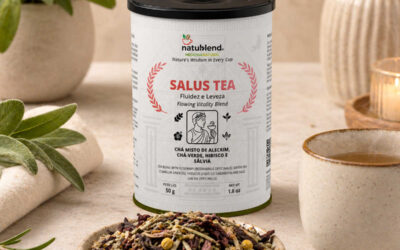
| Salus Tea | Salus: public safety | Green tea, hibiscus, rosemary, sage | Green tea | Yes | On waking or with breakfast | Herbaceous and tart |
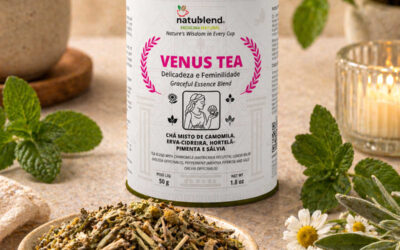
| Venus Tea | Venus (Aphrodite): love and beauty | Chamomile, lemon balm, peppermint, sage | Chamomile | No | Morning to late afternoon | Herbaceous and minty |
| Zeus Tea | Zeus: sky, weather and law | Chamomile, jasmine, lemongrass, peppermint | Chamomile | No | No suggested time | Floral and citrusy |
The 15 Blends, One by One
Apollo Tea
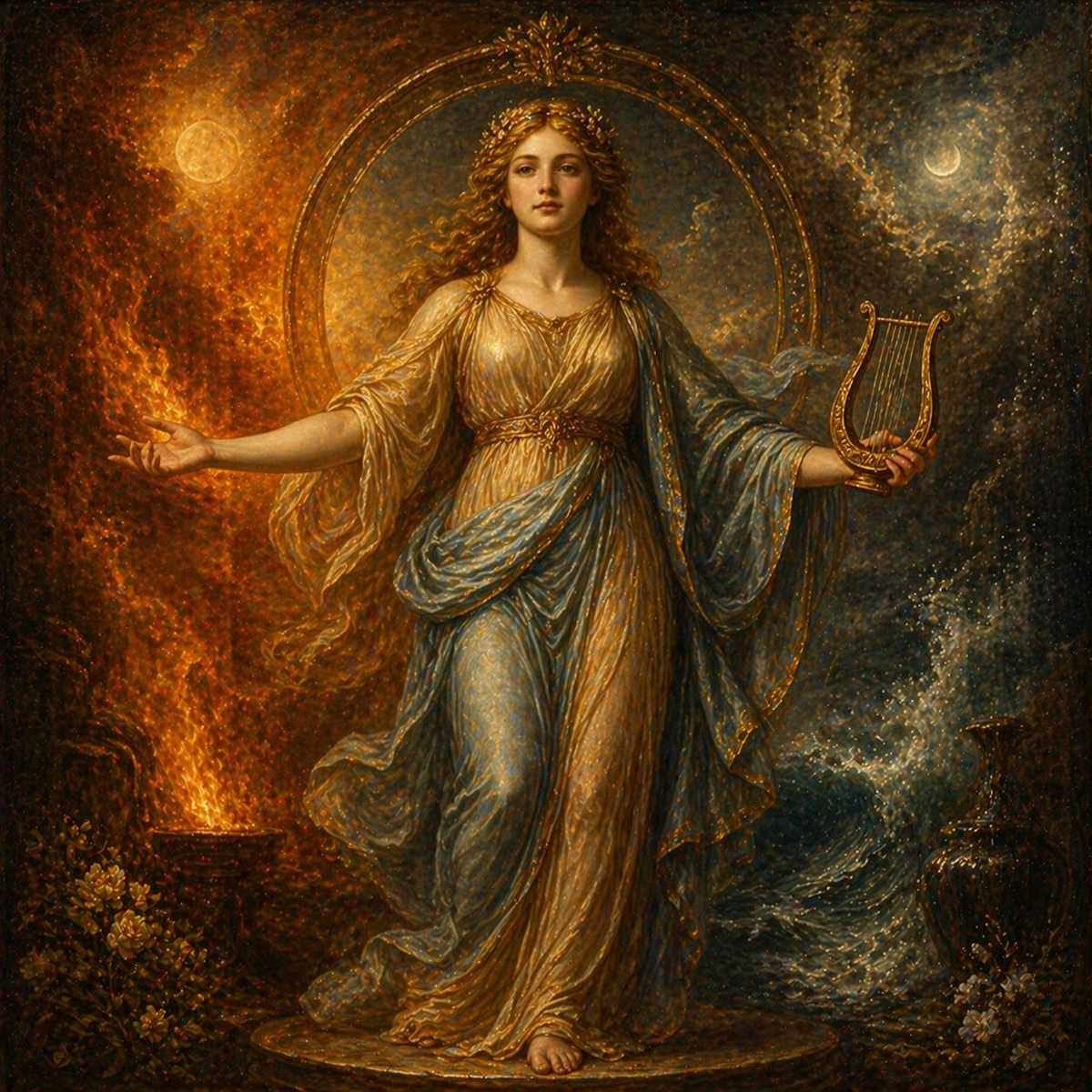
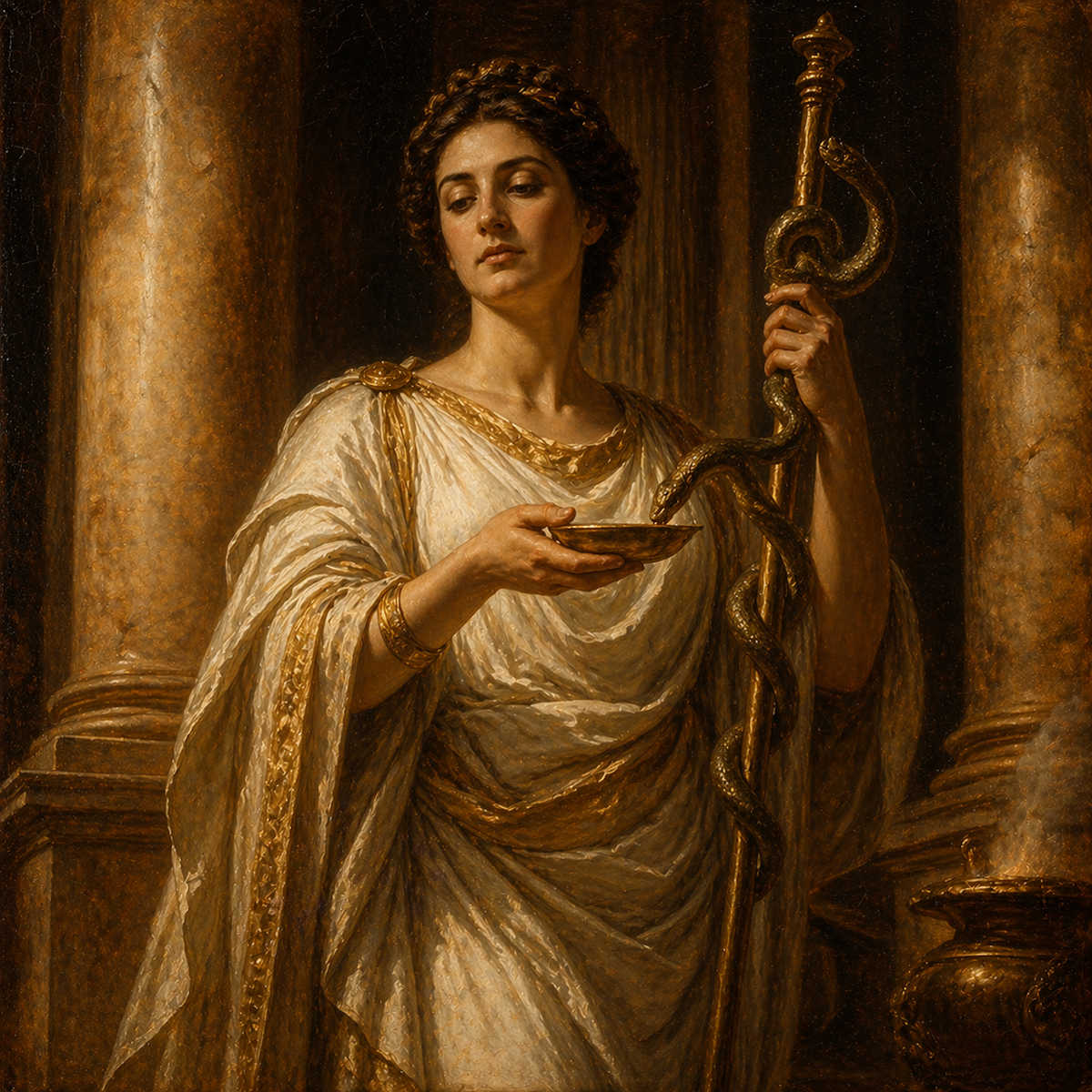
Apollo Tea pays tribute to Apollo, son of Zeus and Leto, the Greek god of music, poetry and prophecy and master of the oracle at Delphi, which he founded after slaying the serpent Python. The tin holds ginger, green tea, peppermint and rosemary on a green tea base, so it contains caffeine, and Natublend suggests the blend for the morning. The profile is herbaceous: rosemary, native to the Mediterranean, comes through resinous and almost floral, ginger adds a light peppery bite and peppermint closes with a cool, minty freshness.
Ares Tea
Ares, son of Zeus and Hera, was the god of war to the ancient Greeks, and Natublend named Ares Tea in his honor. The blend brings together clove, ginger, peppermint and white tea on a white tea base, which supplies the caffeine, and the brand fits it into morning or afternoon routines. The spice family leads: clove, native to the Moluccas, arrives warm and aromatic, ginger adds heat with a citrusy undertone and peppermint leaves a cooler finish over the delicacy of the white tea.
Athena Tea
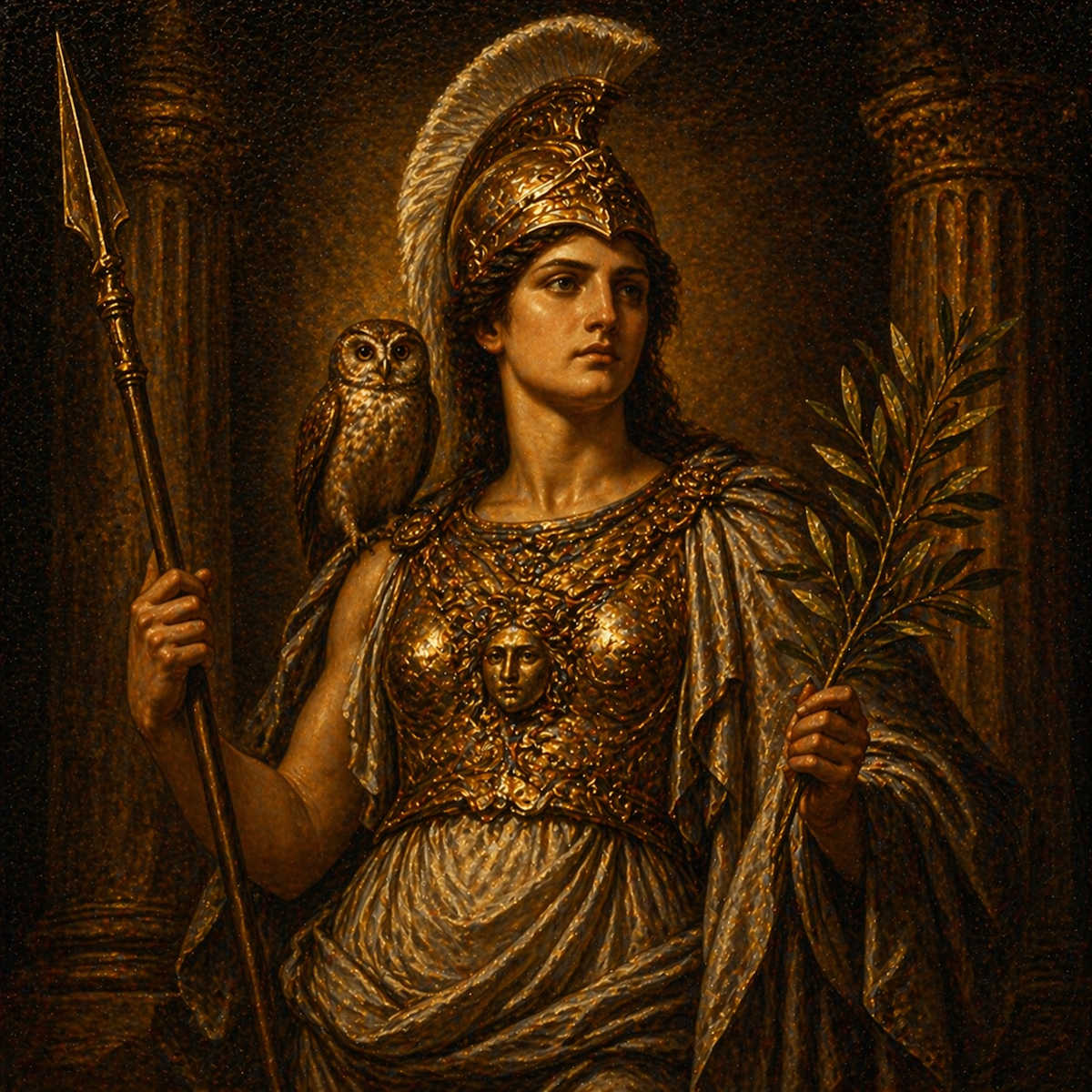
Athena, who according to myth sprang fully grown and armed from the head of Zeus, is the Greek goddess of wisdom and crafts, and she lends her name to Athena Tea, the only blend in the collection made with black tea. It contains black tea, clove, erva-doce and rosemary, and the oxidized leaf brings caffeine, an amber color and a fuller body. Natublend suggests it for the breakfast table, and clove, together with the licorice-like sweetness of erva-doce, shapes a spiced, anise-scented note.
Aurora Tea
Aurora is the Roman name for Eos, the Titaness of the dawn and sister of Helios and Selene, who in Greek myth rises from the river Oceanus at the start of each day and announces the coming of the Sun to gods and mortals. Aurora Tea combines chamomile, hibiscus, jasmine and white tea; the base is white tea, which supplies the caffeine, and Natublend offers it as the first cup of the day. Floral notes dominate, with sweetish jasmine and the ripe-apple undertone of chamomile, while hibiscus colors the drink and adds a red-berry tartness.
Bacchus Tea
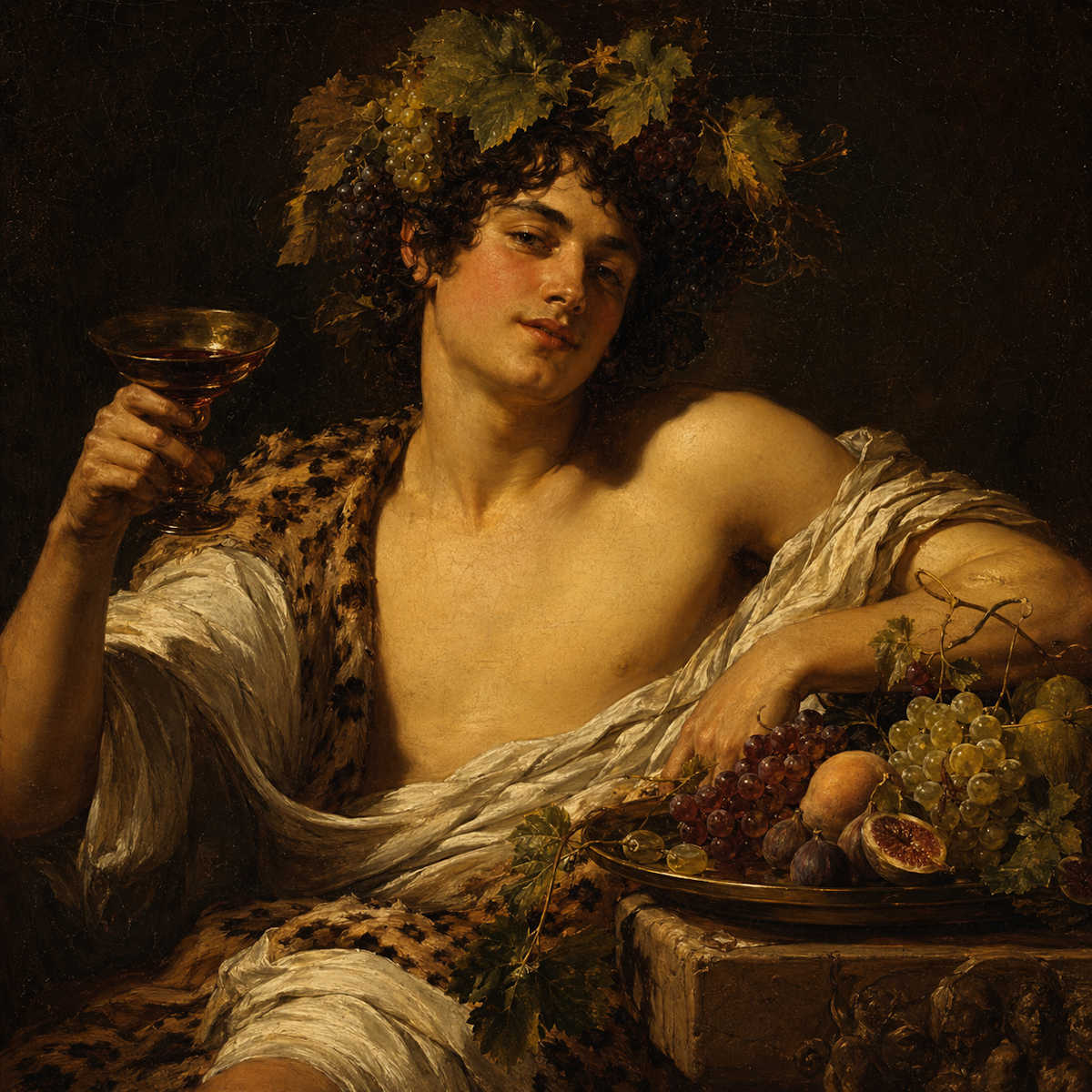
Bacchus, the Roman name for Dionysus, son of Zeus and the mortal Semele, was the god of the vine, wine, theater and revelry. Bacchus Tea brings together chamomile, ginger, green tea and peppermint, with green tea as its base and source of caffeine, and Natublend suggests it for after lunch or dinner and, on the product page, also for a small late-afternoon ceremony. The whole is floral and minty, with honeyed chamomile, a discreet bite of ginger and the freshness of peppermint.
Epione Tea
Pausanias records Epione as the wife of Asclepius, son of Apollo, in his description of a precinct at Epidaurus, and Natublend named the blend in her honor. Epione Tea brings together chamomile, fennel, ginger and sage and, since it has no Camellia leaf, it is caffeine-free; the brand suggests it for breaks during the day, from a pause at work to a free afternoon. The profile is sweet and anise-scented, led by fennel, with floral chamomile, the bite of ginger and the dry herbaceous note of sage on the finish.
Gaia Tea
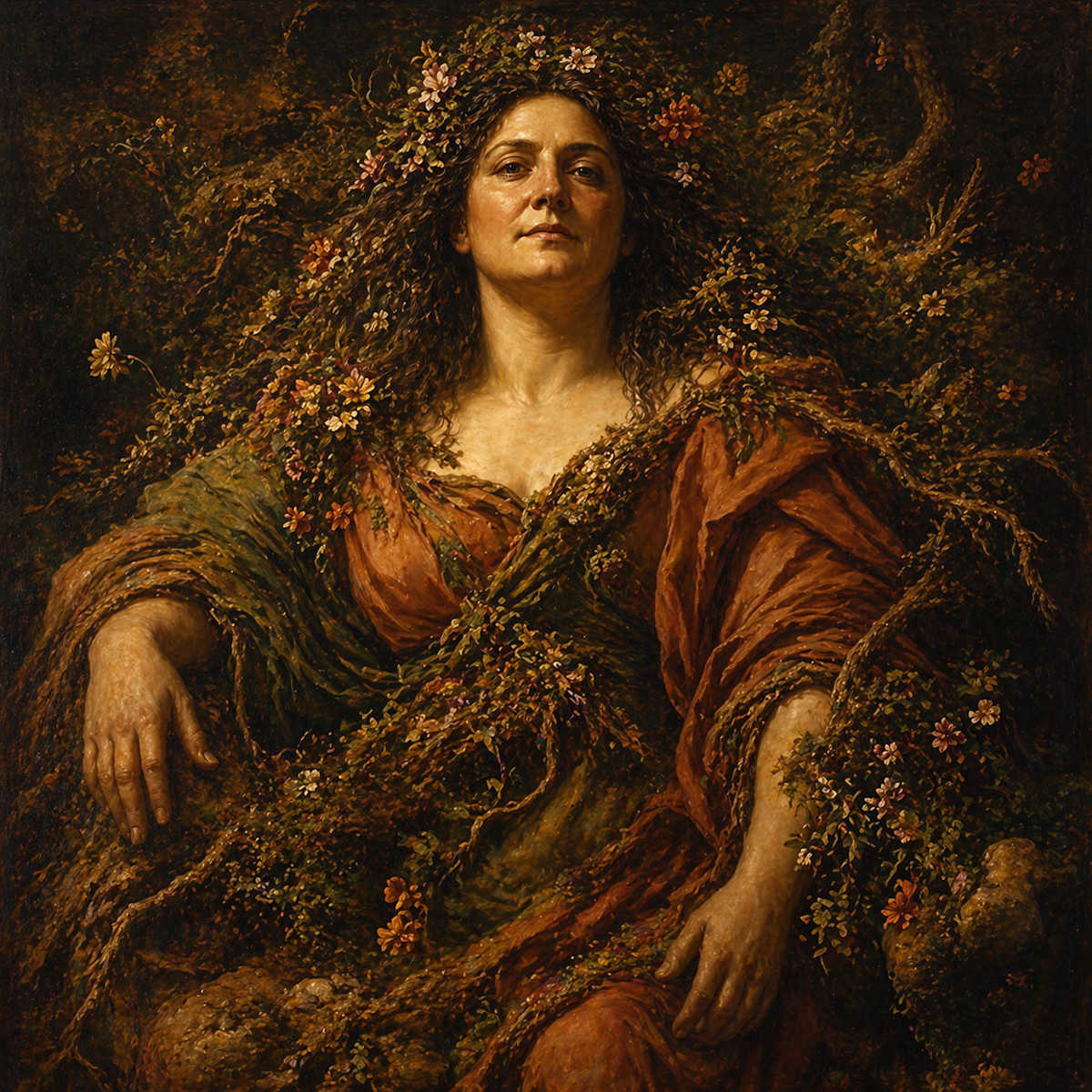
In Hesiod’s Theogony, Gaia is the primordial Earth, who appears right after Chaos and, on her own, gives birth to Uranus, the Sky; joined with him, she brings forth the Titans and, joined with Pontus, deities of the sea. Gaia Tea is a caffeine-free infusion of chamomile, erva-doce, lemon balm and lemongrass, which Natublend does not tie to a single time of day: the brand suggests two or three cups a day, spread across the morning, midday breaks, the time after meals and the evening. A soft citrus note stands out, coming from the pairing of lemon balm and lemongrass, along with the dry-hay touch of lemongrass, a grass of Asian origin, while erva-doce rounds out the cup with an anise-like sweetness.
Harmonia Tea
Harmonia, daughter of Ares and Aphrodite in the Theban tradition, is the Greek goddess of concord and married Cadmus, founder of Thebes; her father lends his name to Ares Tea. Harmonia Tea combines jasmine, lemon balm, lemongrass and peppermint in a caffeine-free infusion, and Natublend suggests it for the afternoon, between 2 p.m. and 5 p.m. The profile is citrusy, with the lemon-zest aroma of lemongrass and lemon balm, the sweet floral note of jasmine, a flower of the olive family, and the freshness of peppermint on the finish.
Hermes Tea
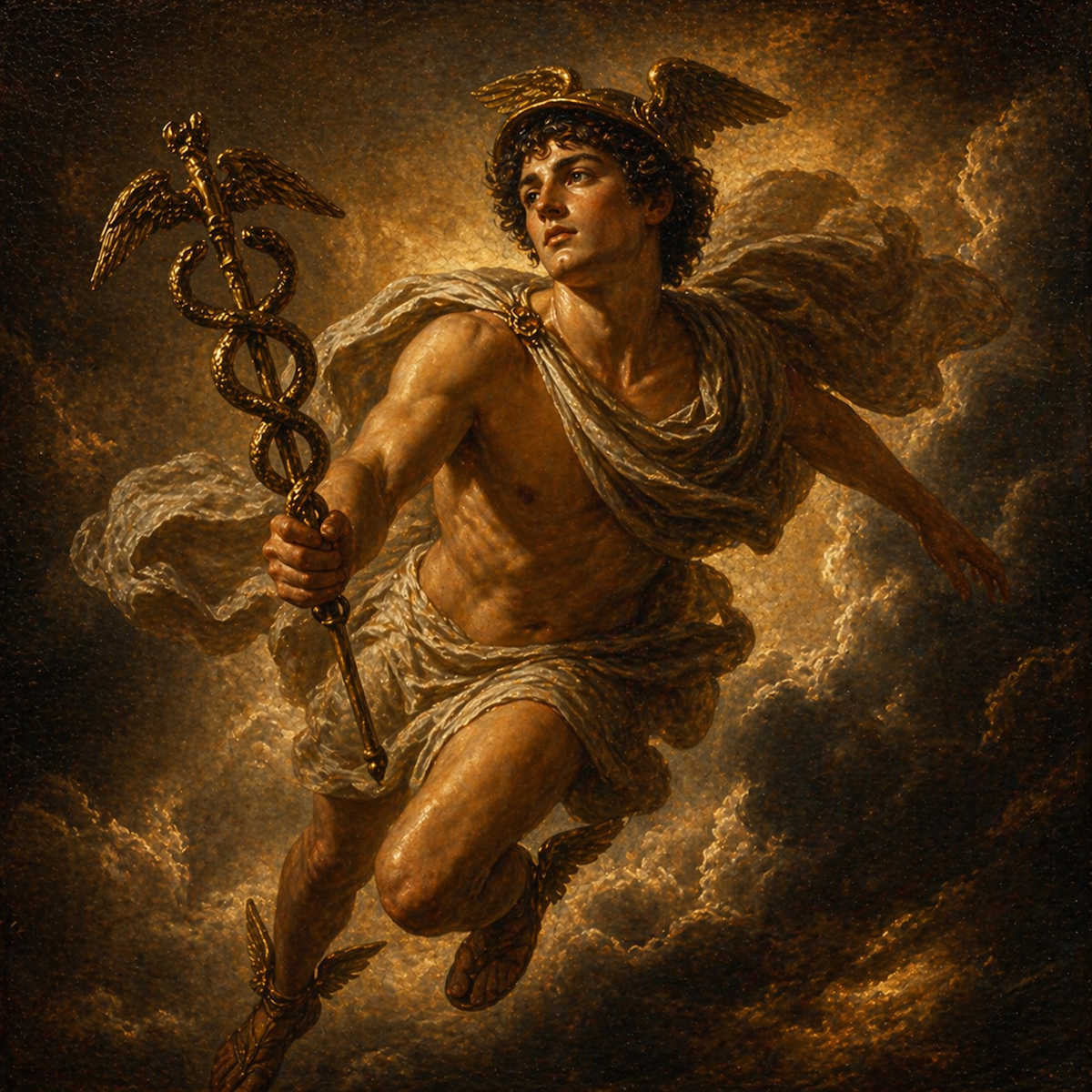
Hermes, son of Zeus and the nymph Maia, is the messenger of the gods and protector of travelers, roads and trade. Hermes Tea brings together ginger, green tea, hibiscus and peppermint, with caffeine from the green tea leaf that serves as its base, and Natublend suggests it for the morning and for days full of comings and goings. The note is tart and fruity: hibiscus, the same plant behind Egyptian karkadeh, turns the cup red and recalls wild berries, ginger answers with heat and peppermint closes with freshness.
Hestia Tea
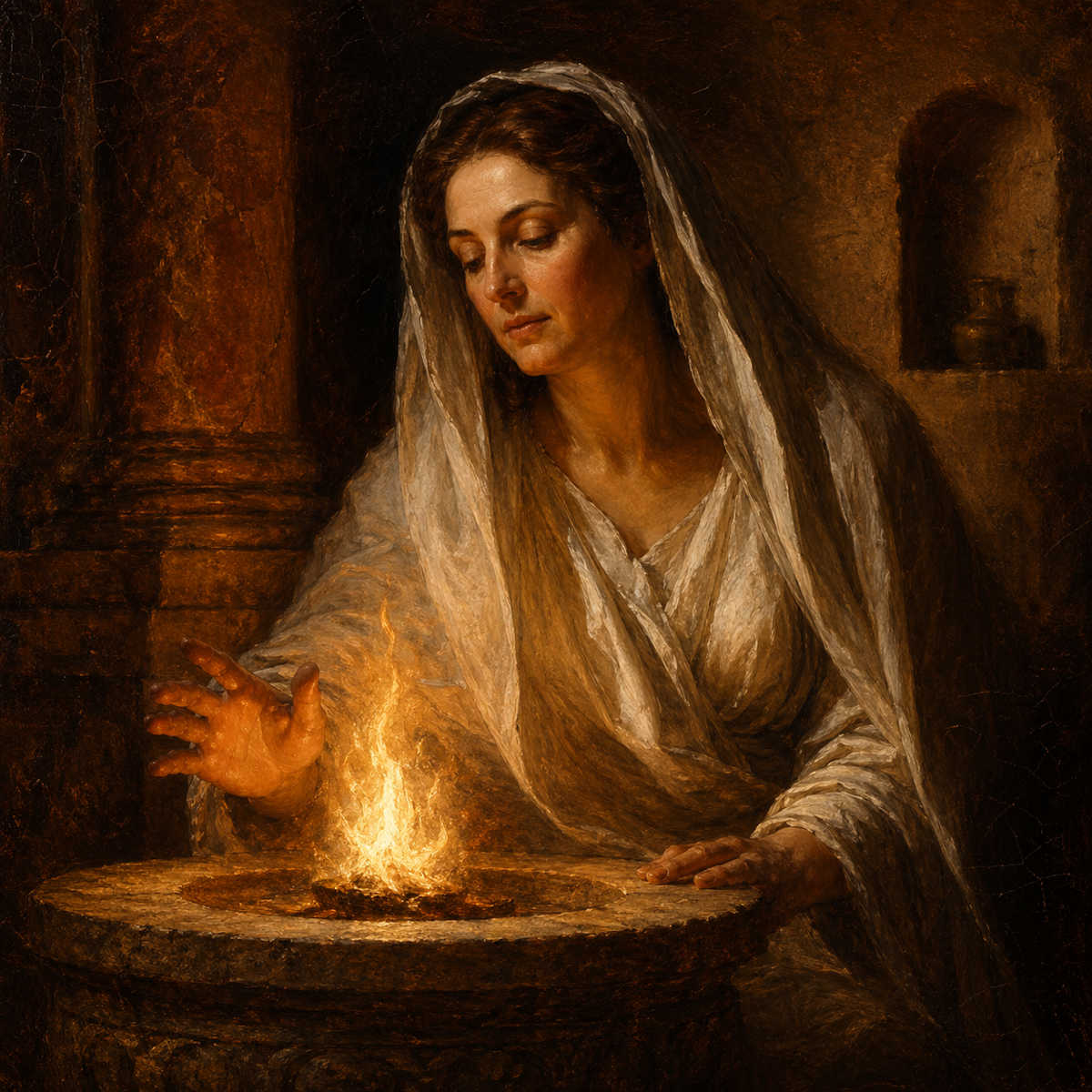
Hestia, eldest daughter of Cronus and Rhea, is the Greek goddess of the home and the hearth fire, who received a portion of every sacrifice offered to the gods. Hestia Tea features chamomile, fennel, green tea and peppermint on a green tea base, which accounts for the caffeine, and Natublend suggests it for the minutes after lunch and dinner, as an alternative to an after-meal coffee. The profile is sweet and anise-scented, with fennel up front, floral chamomile over the green notes of the leaf and a minty finish.
Hypnos Tea
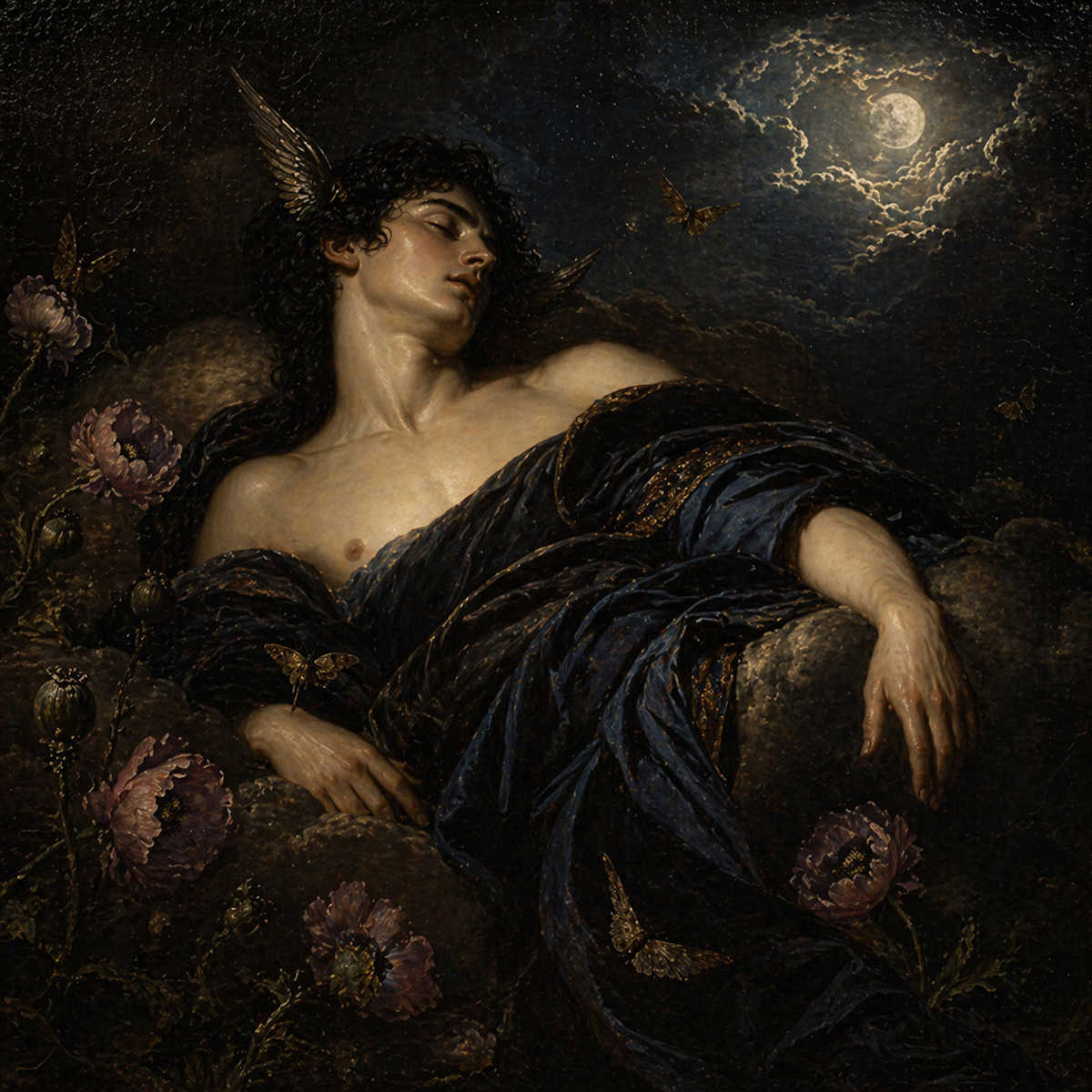
Hypnos is the god of sleep in Greek mythology, a son of Nyx, the Night, according to Hesiod’s Theogony, and ancient art depicts him as a winged youth. Natublend named Hypnos Tea in his honor. It is a caffeine-free infusion of chamomile, freeze-dried raspberry, lavender and lemon balm, in which lavender carries the floral note, joined by the dried-flower character of chamomile, the soft citrus of lemon balm and a sweet-tart raspberry undertone. The brand suggests it for the last cup of the night.
Iaso Tea
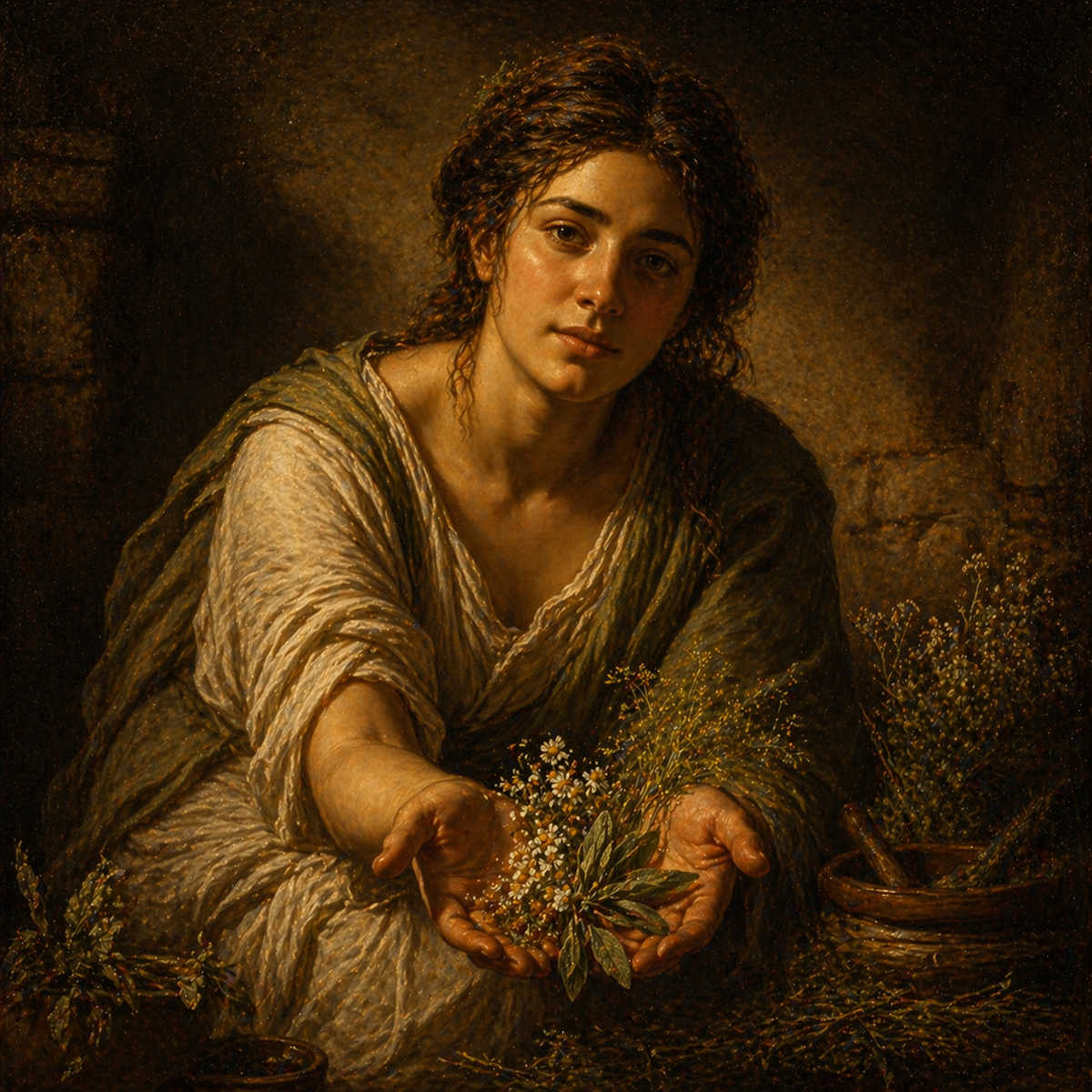
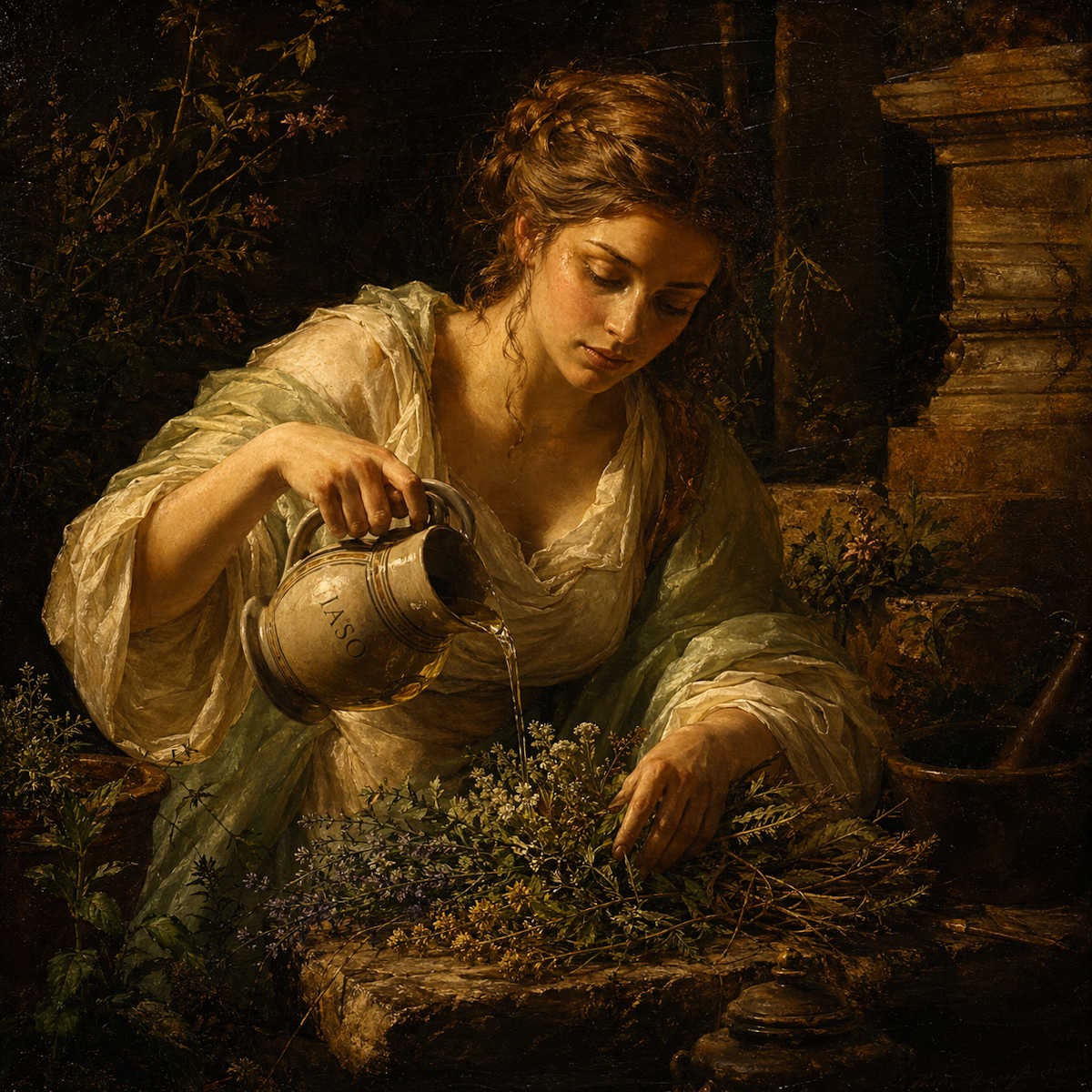
Iaso is one of the daughters of Asclepius, and the Suda, a Byzantine lexicon, names Epione as her mother; Pausanias includes her among the deities of one section of the altar of Amphiaraus at Oropus, and Natublend named the blend in her honor. Iaso Tea combines chamomile, cinnamon, ginger and green tea on a green tea base, and therefore contains caffeine; the brand suggests it for the start of the day, as the first cup of the morning. Cinnamon leads with a spiced, mildly sweet note, backed by the bite of ginger.
Salus Tea
In Roman religion, Salus was the goddess of public safety, with a temple dedicated to her on the Quirinal Hill in 302 BC; Natublend named the blend in her honor. Salus Tea blends green tea, hibiscus, rosemary and sage, with the caffeine coming from its green tea base, and the brand suggests it for the first cup of the day, right after waking up or alongside breakfast. Herbaceous notes prevail, led by resinous rosemary and by sage, two members of the Lamiaceae native to the Mediterranean, while hibiscus brings tartness and a red color to the drink.
Venus Tea
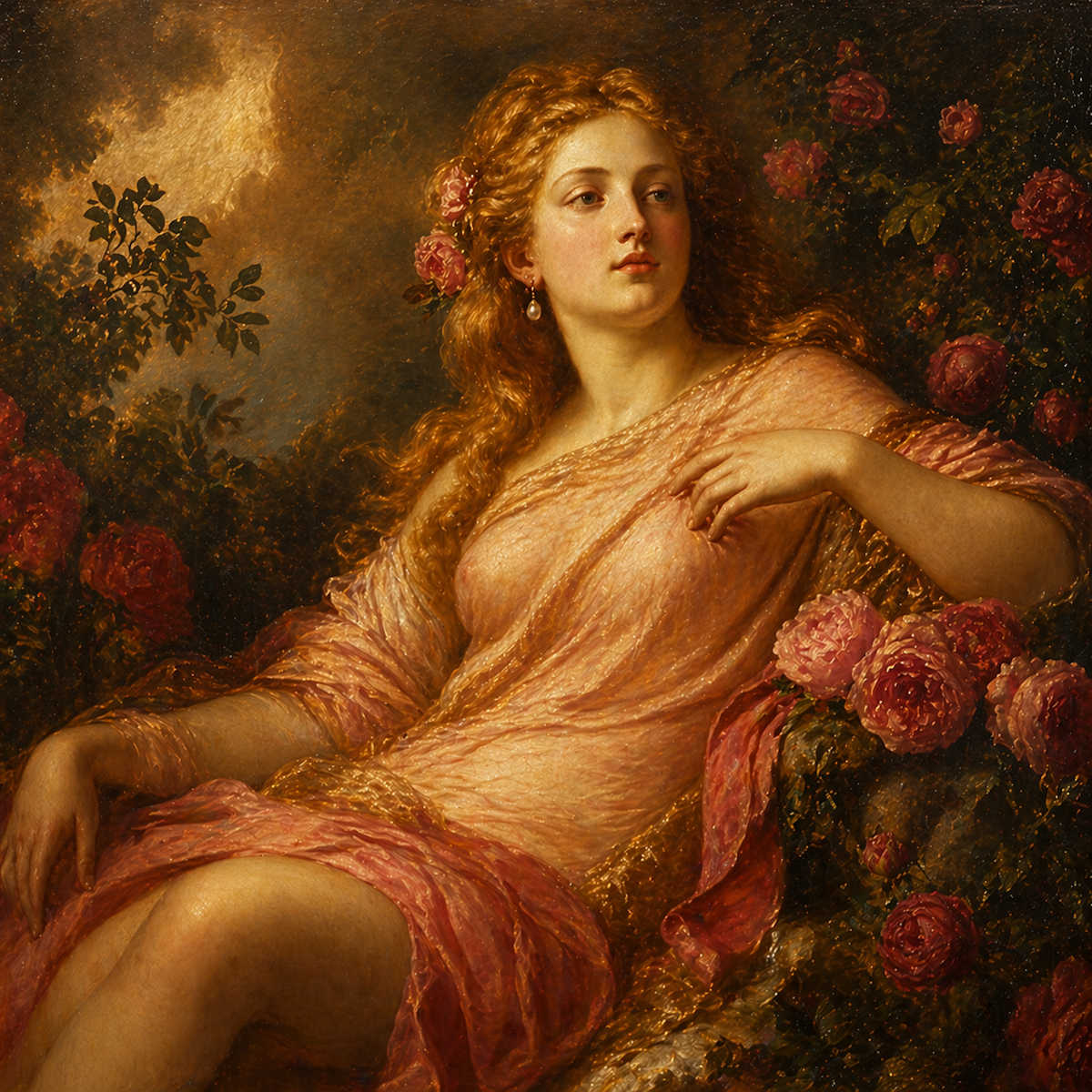
Venus is the Roman name for Aphrodite, goddess of love and beauty, who received the golden apple in the Judgment of Paris; Natublend named Venus Tea in her honor. The caffeine-free infusion contains chamomile, lemon balm, peppermint and sage, and the brand presents it as a cup for several moments, from the start of the day to late afternoon. The profile is herbaceous and minty, with peppermint up front, sage in the background, the gentle citrus of lemon balm and, on the finish, chamomile with its hay-like note.
Zeus Tea
In Greek mythology, Zeus is the god of the sky, weather and law, who escaped being swallowed by his father, Cronus, and defeated him in the Titanomachy; Natublend named the blend in his honor. Zeus Tea, a caffeine-free infusion, contains chamomile, jasmine, lemongrass and peppermint, and the brand does not tie it to any time of day; what it spells out instead is the preparation, from covering the cup to serving the tea warm and unsweetened. Jasmine and chamomile set the floral tone, cut by the lemon-and-hay note of lemongrass and the freshness of peppermint. It is a close cousin of Harmonia Tea, with chamomile in place of lemon balm.
The 18 Ingredients in the Collection
Scientific names follow Kew’s Plants of the World Online.
- Black tea: Camellia sinensis, Theaceae, fully oxidized leaves. In Athena Tea.
- Chamomile: Matricaria chamomilla (synonym M. recutita), Asteraceae, flowers. In Aurora Tea, Bacchus Tea, Epione Tea, Gaia Tea, Hestia Tea, Hypnos Tea, Iaso Tea, Venus Tea and Zeus Tea.
- Cinnamon: Cinnamomum, Lauraceae, bark; the name covers Ceylon cinnamon (C. verum) and the cassias. In Iaso Tea.
- Clove: Syzygium aromaticum, Myrtaceae, dried flower buds. In Ares Tea and Athena Tea.
- Erva-doce: dried fruits; in Brazil, the name refers mostly to anise (Pimpinella anisum, Apiaceae) and sometimes to fennel, which appears separately here. In Athena Tea and Gaia Tea.
- Fennel: Foeniculum vulgare, Apiaceae, dried fruits. In Epione Tea and Hestia Tea.
- Ginger: Zingiber officinale, Zingiberaceae, rhizome. In Apollo Tea, Ares Tea, Bacchus Tea, Epione Tea, Hermes Tea and Iaso Tea.
- Green tea: Camellia sinensis, Theaceae, leaves whose oxidation is halted by heat. In Apollo Tea, Bacchus Tea, Hermes Tea, Hestia Tea, Iaso Tea and Salus Tea.
- Hibiscus: Hibiscus sabdariffa, Malvaceae, dried calyces. In Aurora Tea, Hermes Tea and Salus Tea.
- Jasmine: Jasminum, Oleaceae, flowers; in Chinese teas, mainly J. sambac and J. grandiflorum. In Aurora Tea, Harmonia Tea and Zeus Tea.
- Lavender: Lavandula, Lamiaceae, dried flowers; in cooking, usually L. angustifolia. In Hypnos Tea.
- Lemon balm: leaves; in international trade, Melissa officinalis (Lamiaceae), while in Brazil its local name, erva-cidreira, also covers Lippia alba (Verbenaceae). In Gaia Tea, Harmonia Tea, Hypnos Tea and Venus Tea.
- Lemongrass: Cymbopogon citratus, Poaceae, leaves. In Gaia Tea, Harmonia Tea and Zeus Tea.
- Peppermint: Mentha × piperita, a natural hybrid, Lamiaceae, leaves. In Apollo Tea, Ares Tea, Bacchus Tea, Harmonia Tea, Hermes Tea, Hestia Tea, Venus Tea and Zeus Tea.
- Raspberry: Rubus idaeus, Rosaceae, freeze-dried fruit. In Hypnos Tea.
- Rosemary: Salvia rosmarinus (synonym Rosmarinus officinalis), Lamiaceae, leaves. In Apollo Tea, Athena Tea and Salus Tea.
- Sage: Salvia officinalis, Lamiaceae, leaves. In Epione Tea, Salus Tea and Venus Tea.
- White tea: Camellia sinensis, Theaceae, buds and young leaves, with almost no oxidation. In Ares Tea and Aurora Tea.
How to Choose Your First Blend
By moment. For the morning, Natublend suggests Apollo Tea, Athena Tea, Aurora Tea, Hermes Tea, Iaso Tea and Salus Tea; for the afternoon, Harmonia Tea; for after lunch or dinner, Bacchus Tea and Hestia Tea, both of which contain caffeine from green tea; and for the last cup of the night, Hypnos Tea. Four blends span more than one part of the day: Ares Tea, which the brand suggests for the morning or the afternoon; Epione Tea, which it suggests for breaks during the day; Gaia Tea, suggested at several points in the day, from morning to evening; and Venus Tea, from the start of the day to late afternoon. Zeus Tea is left off the list, since Natublend does not tie it to any time of day.
By flavor family.
- Anise-scented: Epione Tea and Hestia Tea.
- Citrusy: Gaia Tea and Harmonia Tea.
- Floral: Aurora Tea, Bacchus Tea, Hypnos Tea and Zeus Tea.
- Herbaceous: Apollo Tea, Salus Tea and Venus Tea.
- Spiced: Ares Tea, Athena Tea and Iaso Tea.
- Tart and fruity: Hermes Tea.
By base. The nine blends made with black, green or white tea contain caffeine, and the six infusions without Camellia do not.
Where to Find the 15 Blends
The full collection is on Natublend’s tea page, and each blend also has its own article covering the deity and the ingredients in detail.




Frequently Asked Questions
Is a Blend a Tea?
Nine of the 15 blends contain Camellia sinensis, the true tea of the trade, and the other six are infusions of herbs, flowers and fruits. Under Brazilian food regulations, tea is the category that covers both.
Which Blends Are Caffeine-Free?
Epione Tea, Gaia Tea, Harmonia Tea, Hypnos Tea, Venus Tea and Zeus Tea, which contain neither Camellia sinensis nor any other ingredient with caffeine.
Do the Blends Make Health Claims?
No. Teas and infusions are foods, and each blend is described here by what goes into the tin, by its flavor and by the moment the brand suggests. The names of the deities are a tribute.
Can I Mix Two Blends?
Yes, you can. Ideally, combine blends that share a base, since white and green teas usually call for water below boiling, while herbal infusions can take very hot water. If one of them contains Camellia, the mix will have caffeine.
How Should I Store an Opened Tin?
With the lid tightly closed, in a dry place away from light, heat and strong odors, because dried leaves and flowers absorb aromas. Always follow the best-by date on the packaging.
This content is informational and describes teas and infusions as foods. It does not replace professional health guidance. Pregnant women, breastfeeding women, children, and people undergoing medical treatment should consult a health professional before adding any infusion to their routine.
References
- ANVISA. Instrução Normativa nº 159, July 1, 2022: list of plant species authorized for preparing teas, issued under RDC No. 716/2022. antigo.anvisa.gov.br
- Encyclopaedia Britannica. Salus, Roman goddess. britannica.com
- Hesiod. Theogony, English translation by H. G. Evelyn-White, hosted by the Theoi Project. theoi.com
- Kim, Lee, Choi and Chun. A Lexicon for Descriptive Sensory Evaluation of Blended Tea. Preventive Nutrition and Food Science, 23(4): 364-373, 2018. pmc.ncbi.nlm.nih.gov
- Plants of the World Online. Royal Botanic Gardens, Kew. Entries for Camellia sinensis, Hibiscus sabdariffa, Matricaria chamomilla, Salvia rosmarinus, Syzygium aromaticum and the other species cited. powo.science.kew.org
- PROSEA, Plant Resources of South-East Asia. Jasminum. Pl@ntUse. uses.plantnet-project.org
- Revista Cultivar. Erva-doce: Foeniculum vulgare Mill. ou Pimpinella anisum L.? revistacultivar.com.br
- The Herb Society of America. Lavender in the Kitchen: Flavor Profiles Across Species and Cultivars. blog.herbsociety.org
- Theoi Project. Theoi Greek Mythology: entries for Apollon, Ares, Athena, Eos, Dionysos, Asklepias Epione, Gaia, Harmonia, Hermes, Hestia, Hypnos, Asklepias Iaso, Aphrodite and Zeus. theoi.com
- Washington State University Extension. Tea Types and Home Processing. vegetables.wsu.edu